
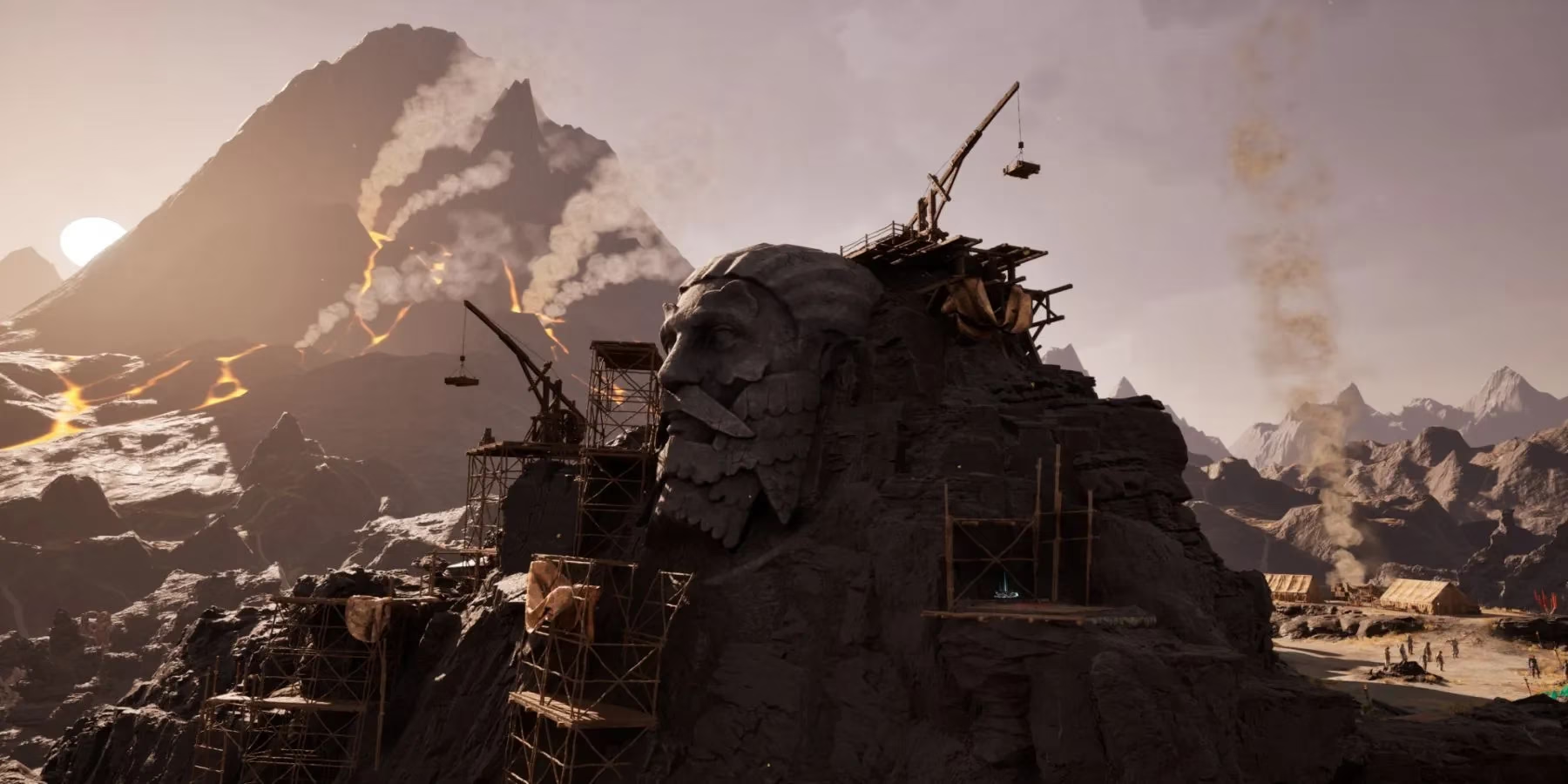
By 2026, players have had plenty of time to dig into Obsidian Entertainment’s Avowed, and one question keeps coming back: how deeply does it really connect to the studio’s Pillars of Eternity games? The short answer is that Avowed does not demand homework, but it rewards curiosity. Obsidian built Avowed as a first-person, open-world fantasy RPG that welcomes newcomers, yet it also plants its feet firmly in Eora, the same setting that gave Pillars of Eternity and Pillars of Eternity: Deadfire their history, factions, and stranger corners. That combination is exactly where the conversation gets interesting.
A Familiar Surface, a Deeper Foundation
On the surface, some fans compared Avowed to Skyrim, and that comparison made sense for anyone watching early footage. But the game’s roots run through Obsidian’s CRPG past. The Pillars titles were not simple sword-and-sorcery exercises; they built a world with its own rules for magic, culture, and political power. Avowed takes that established framework and translates it into a more immediate action-RPG style. Players do not need to have finished Pillars of Eternity to follow Avowed’s story, and Obsidian was clear about that before launch. Still, the game’s best lore moments tend to land harder for people who already know what an animancer is, why souls matter, or why the Aedyr Empire casts such a long shadow.
That is the balancing act in a nutshell. Avowed cannot overwhelm new fans with a decade of CRPG continuity, but it also should not pretend Eora was invented yesterday. Obsidian’s solution, broadly speaking, is to use Pillars lore as texture and context rather than as a gate. New players get a self-contained adventure; returning fans get winks, references, and deeper implications.
The Aedyr Empire and the Living Lands
One of the clearest links between Avowed and Pillars of Eternity is the Aedyr Empire. In Avowed, the player character is an envoy of Aedyr sent to investigate rumors of a spreading plague with a secret that threatens to destroy everything. That premise immediately ties the game to a major faction from Pillars of Eternity, one that helped shape Eora’s history long before Avowed’s story begins. Players who know the Empire from the CRPGs will recognize its fingerprints in Avowed’s politics, uniforms, and assumptions about authority. Newcomers, meanwhile, can simply read Aedyr as a powerful outside force with its own agenda.
Then there is the Living Lands. Pillars of Eternity mentioned the region only briefly, which gave Obsidian room to expand it dramatically in Avowed. The result is a previously unseen and potentially quite dangerous part of Eora, full of local cultures, odd creatures, and environmental storytelling. In a way, the Living Lands are a perfect metaphor for Avowed’s approach: take a name that Pillars fans may vaguely remember, then build something fresh on top of it.
| Pillars of Eternity Element | How Avowed Uses It |
|---|---|
| Eora setting | Shared world, history, and rules of magic |
| Aedyr Empire | Player is an Aedyr envoy; imperial politics matter |
| Living Lands | Previously mentioned region expanded into a full game space |
| Soul and animancy lore | Background context for mysteries and factions |
| Deadfire’s cliffhanger | Not required, but ripe for nods and implications |
The Deadfire Cliffhanger Still Hangs in the Air
Here is where longtime fans start leaning forward: Pillars of Eternity: Deadfire ended on a massive cliffhanger, and as of 2026 that particular thread has not been neatly resolved by Avowed. That does not mean Avowed ignores it. The game’s timeline and direct ties are deliberately handled with care, but the event is significant enough that it could be touched upon, hinted at, or used to color future stories. Obsidian has not treated Avowed as a direct sequel to Deadfire, and that is probably wise. A full continuation would have demanded far more prior knowledge than a new open-world RPG should require.
Still, the cliffhanger remains a fascinating piece of connective tissue. It reminds players that Eora is not a static backdrop. Big things happened before Avowed, and bigger things may still be coming. For now, Avowed uses those threads as seasoning rather than the main course. That keeps the game accessible while preserving the sense that the world has a past.
Why the Balancing Act Matters
Obsidian’s challenge with Avowed was never just about gameplay. It was about tone and continuity. Play things too safe, and Avowed risks feeling like a standalone fantasy game wearing an Eora costume. Go too deep, and new players may feel like they showed up to a party where everyone already knows the inside jokes. The sweet spot is a game that naturally complements the Pillars of Eternity titles, offering intriguing insights into both without turning either into required reading.
Players in 2026 can see that tension in the way Avowed handles factions, magic, and history. The game explains enough to keep a newcomer oriented, but it leaves enough unsaid to make veterans curious. That is not a flaw; it is a design choice with real benefits. Avowed can elevate Pillars of Eternity by sending curious players back to the CRPGs, and Pillars can enrich Avowed by giving its world a deeper reservoir of meaning.
So yes, Avowed stands on its own. But it stands in Eora, and that ground was prepared long before the player ever picked up a weapon. The best part? Fans do not have to choose between the two. They can enjoy Avowed’s immediate adventure and still appreciate the older, stranger roots beneath it. 😊
Comments