
In 2026, Avowed has stopped being a shimmering dot on the release horizon and become a real Obsidian Entertainment action-RPG that players can argue about with forks and notebooks. The studio behind Fallout: New Vegas and the Pillars of Eternity duology has never been shy about building worlds with the density of a fruitcake, and Avowed continues that tradition by planting its flag in Eora, the same soul-powered fantasy setting where PoE and PoE2: Deadfire unfolded. The reference material once treated Avowed as upcoming and its timeline as foggy; by now, the game has escaped the calendar and is loose in the wild, where fans poke it with sticks of lore and ask where exactly it belongs.
🗺️ The Eora Problem: A Very Crowded Map
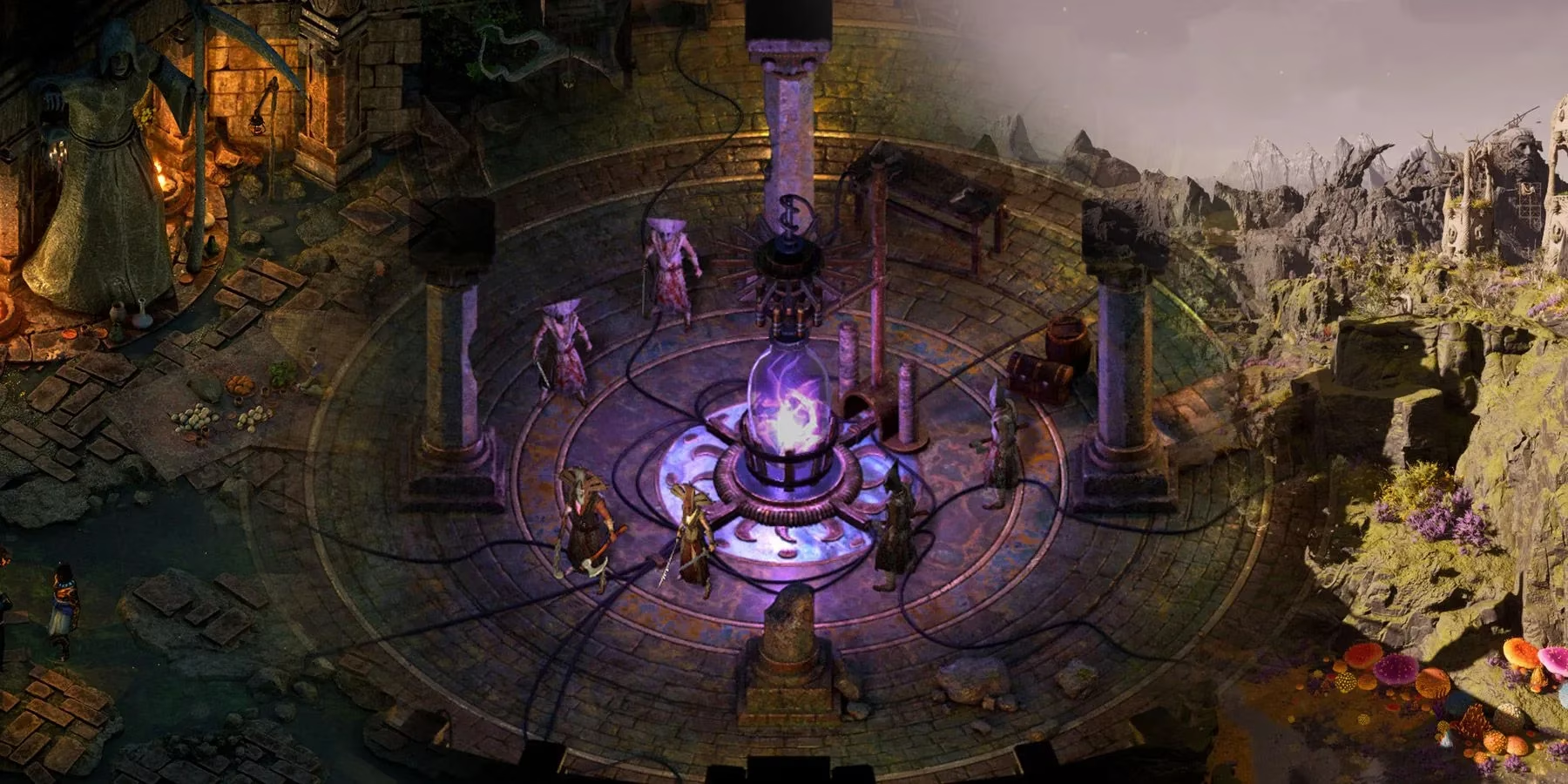
Eora is not a tidy theme park with one queue and a gift shop. It is an expansive land of kingdoms, free states, colorful backstory, political maneuvering, and magical soul economics. The first Pillars of Eternity sent players into the former colonial outreaches of the powerful Aedyr Empire, while Deadfire shipped them off to an archipelago packed with local societies and foreign governmental interests. Avowed is set in the Living Lands, a region under the Empire's control that players had not directly visited before. That alone gives Obsidian a fresh sandbox, even if the sand has been blessed, taxed, and argued over by imperial bureaucrats.
Obsidian has also been careful to temper expectations about scale. Avowed is an open-world first-person RPG, but the studio has pointed out that it is smaller than a certain dragon-and-snow epic that shall remain nameless, lest the comparison summon a chorus of forum posts. The January 18 Xbox Developer Direct showed off mechanics and quest design, but it left the timeline question with plenty of elbow room. For lore-minded players, that is like filing a grimoire in a library where the shelves keep rearranging themselves.
⏳ Three Parking Spots on the Timeline
The central puzzle is where Avowed sits relative to PoE and Deadfire. The reference material lays out a few plausible answers, and each one has a different flavor of narrative risk.
| Timeline placement | What it could do | The catch |
|---|---|---|
| Between PoE and Deadfire | Lets Avowed use seen incidents and consequences while staying before Deadfire's massive cliffhanger | The middle of a trilogy is a crowded hallway; everyone is carrying a secret and a knife |
| Far in the past | Could show the rise of the Aedyr Empire and how it attained its prominent position | Newcomers may need a lore sherpa; veterans may bring a spreadsheet |
| Centuries in the future | Could explore the wake of Deadfire's outcome while keeping the Empire present | The future is a minefield of spoilers wearing a fancy hat |
This is where Avowed's balancing act gets interesting. Deadfire's ending was a jaw-dropping revelation with implications that were not localized; it likely affects the entirety of Eora. Avowed therefore has a bigger task than most: it must respect that stakes while remaining accommodating to newcomers who might not know a bîaŵac from a backpack. The safe but reasonable choice is a middle placement, which lets the game feature already-seen incidents and consequences while leaving room for its story to breathe before Deadfire's cliffhanger. The past and future options are not mere lore toys, either. A far-past Avowed could dramatize the Empire's rise; a far-future one could show how the Empire dealt with Deadfire's aftermath. Both are plausible avenues, provided Obsidian keeps the Aedyr Empire present in some manner and does not turn the timeline into a decorative rug.
🧙 The Lore Cathedral and the Newcomer Door
Obsidian's lore is a cathedral built from footnotes, and Avowed is a new chapel that must share the same foundation. That is the elegant version. The less elegant version is that the timeline question is a banquet table with too many chairs: every guest—newcomer, lore scholar, imperial apologist, soul-powered skeptic—wants a seat and a bread roll. The game cannot be only a museum tour for veterans, nor can it pretend Eora's history is a blank whiteboard. It needs to be legible to fresh eyes while rewarding the people who know why Aedyr matters and why Deadfire's ending made the floor drop out.
In 2026, the useful move for players is to treat Avowed as a companion volume rather than a replacement index. It is set in the Living Lands, rooted in PoE's world and history, and naturally informed by the Empire's long shadow. The exact timeline may still inspire debate, but the game's job is clear: deliver a crafted world, detailed characters, and a plot that can stand on its own while pointing back to the larger Eora tapestry. Obsidian has spent years proving it can do dense RPGs with wit and teeth. Avowed is another chapter in that library, and the timeline is the bookmark everyone keeps moving.
Comments