
With the benefit of hindsight in 2026, Obsidian Entertainment's Avowed occupies a curious place in the studio's catalog: a first-person fantasy RPG that, before launch, looked like a natural placeholder for fans waiting on The Outer Worlds 2. That wait is now over. Avowed launched in February 2025, and The Outer Worlds 2 arrived in late October 2025, but the comparison between the two remains useful. They are cousins rather than twins, sharing Obsidian's design DNA while diverging in setting, tone, and combat. For players revisiting both games in 2026, Avowed still functions as the fantasy appetizer that made the science-fiction sequel feel more legible.
Shared Obsidian DNA
The most obvious overlap is choice. Obsidian's RPGs are known for letting players shape outcomes large and small, and both Avowed and The Outer Worlds follow that tradition. The Outer Worlds let players resolve conflicts through diplomacy, stealth, combat, or compromise while preserving an authored story. Avowed adopted a comparable philosophy in its Living Lands, giving players freedom over major and minor narrative beats. This is not sandbox chaos; it is structured freedom, the kind that makes a second playthrough feel different without dissolving the plot.
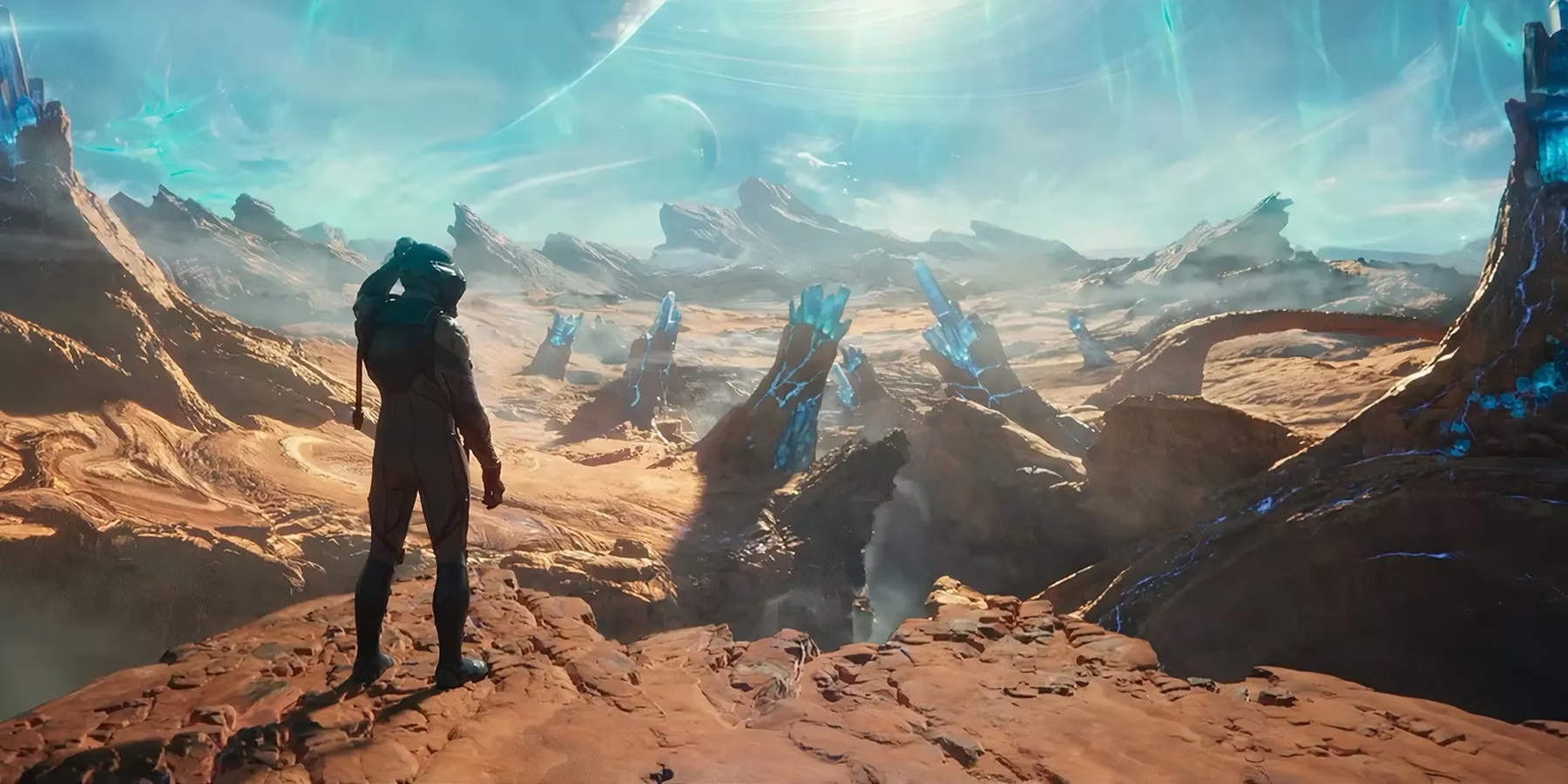
Visuals and animation also rhyme. Avowed leans into fantasy landscapes and lore, yet its bright, soft color palette and readable silhouettes echo The Outer Worlds' saturated sci-fi settlements. Both games favor clarity over grim realism, which makes their worlds inviting even when the stakes are high. Avowed's environments are often luminous, prompting questions about whether it has many truly dark spaces. The Outer Worlds likewise used color to distinguish factions and planets. That shared art direction helps explain why Avowed could stand in for The Outer Worlds during the sequel's long development.
A Fantasy Appetizer, Not a Clone
Genre separates them. The Outer Worlds is science fiction with a Fallout-like feel: corporate satire, space colonies, and gunplay. Avowed is high fantasy, drawing on the Pillars of Eternity universe with swords, spells, and ancient mysteries. Players expecting the same satirical spacefaring tone in Avowed would be disappointed. Yet the gap is narrower than it first appears. Both games are first-person, choice-driven RPGs built around exploration, companion relationships, and factional friction. Avowed's combat, story, and world are its most distinctive features, and they are not interchangeable with The Outer Worlds. Still, the overlap in structure and pacing made Avowed a useful bridge.
| Feature | Avowed | The Outer Worlds 2 |
|---|---|---|
| Setting | Fantasy | Science fiction |
| Perspective | First-person | First-person |
| Choice model | Major and minor outcomes | Player-driven outcomes |
| Tone | Mythic, colorful | Satirical, colorful |
| Role in 2026 | Fantasy companion piece | Sci-fi sequel |
Why the Comparison Still Matters
In 2026, the comparison matters less as a prediction and more as a lens. Avowed proved that Obsidian's choice-driven formula can survive a genre shift. The Outer Worlds 2 then carried the studio's sci-fi satire forward with a bigger canvas and sharper edges. Fans who used Avowed to pass the time were not merely killing hours; they were rehearsing the studio's design language. The two games share a commitment to player agency, bright world-building, and stories that bend without breaking.
That does not make Avowed a substitute for The Outer Worlds 2. It makes Avowed a companion piece: a fantasy cousin that arrived first, warmed up the audience, and demonstrated how flexible Obsidian's RPG toolkit can be. For anyone who has finished both, the takeaway is simple. Avowed is not science fiction, and The Outer Worlds 2 is not fantasy, but the space between them is smaller than their genres suggest. In that space, Obsidian found a way to make the wait feel purposeful. 😊
A Retrospective View from 2026
The release timeline now reads like a carefully paced two-step. Avowed gave players a fantasy adventure with Obsidian's signature freedom, and The Outer Worlds 2 followed with the sci-fi satire fans had requested. That sequence matters because it reframes the earlier placeholder argument. Avowed was never meant to replace The Outer Worlds 2; it was a demonstration of shared craft. Its colorful environments, morally flexible quests, and first-person exploration trained players to read Obsidian's design language in a new setting. When The Outer Worlds 2 finally arrived, that language felt familiar rather than alien.
For newcomers in 2026, the pair offers a useful double feature. Play Avowed for mythic landscapes and sword-and-sorcery choices, then play The Outer Worlds 2 for corporate dystopia and spacefaring irony. The settings differ, but the underlying question is the same: how much freedom can a player have inside a story that still needs to be told? Obsidian's answer, in both games, is plenty. That is why Avowed remains a worthwhile companion to The Outer Worlds 2 rather than a mere historical footnote. 🎮
Comments