
When a studio like Obsidian Entertainment releases a new role-playing game, the world pays attention. After all, these are the folks who gave us Star Wars: Knights of the Old Republic II, then went on to craft sequels that often outshone their originals. In the last decade they’ve toyed with new IPs like the wordy Pillars of Eternity, the satirical The Outer Worlds, and the miniature survival hit Grounded. But with Avowed, they’ve swung back hard toward traditional RPG roots — and honestly, it’s a wild, messy, and wonderfully consequential ride.
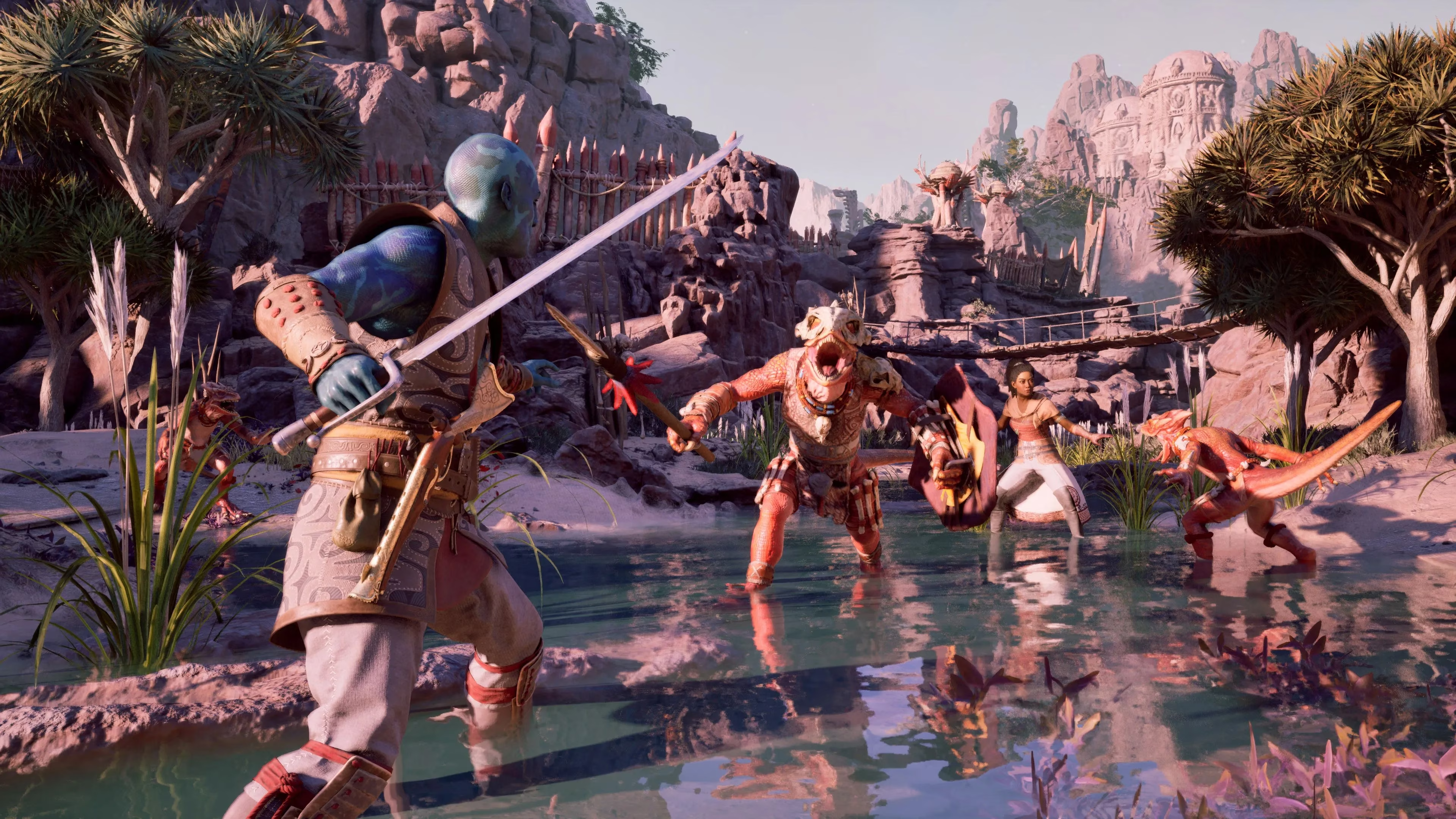
You play as a Godlike, a mortal stamped with divine favor, and from the get-go Avowed refuses to treat you like some anonymous farmhand destined for greatness. No, you’re an envoy of the Emperor himself, sent to the troubled Living Lands — a fractious island plagued by the Dreamscourge, a psychic contagion that turns people and beasts into slavering, mindless shells. The setup feels like a political powder keg wrapped in a zombie flick, and the game never lets you forget it. As you talk your way through camps and courtrooms, you can literally pause conversations to dive into a contextual encyclopedia, similar to Final Fantasy XVI’s Active Time Lore. It’s a genius move — no awkward exposition dumps, just a quick in-world wiki that makes you feel like you’re genuinely part of this universe. “So that’s who Wael is,” you’ll mutter, a dozen hours in.
And then there are the consequences. Oh boy, the consequences. Avowed channels that old-school energy where your choices don’t just alter dialogue flavor — they raze cities. During my playthrough, a seemingly throwaway side quest in the second region, something you might breeze past on a lazy Sunday, ended up determining whether an entire hub area survived or was literally leveled. I’m not kidding. I found out later that if I’d ignored it, I’d be staring at smoking rubble instead of a bustling market. It’s that kind of game, the sort that makes you save before every major conversation and then lie awake at night wondering if you’ve doomed someone’s family line.
But Avowed has a pacing problem, and it’s a doozy. The world is carved into large, separate zones rather than a seamless open world, yet progression feels oddly stilted. Step into a new area and the main quest marker might be glowing at you with a difficulty rating that screams “come back after fifteen side gigs.” The game all but forces you to wander, gather upgrade materials, and clear most optional content just to survive the next story beat. Now, grinding is part of the RPG DNA, but here it’s less a gentle nudge and more a firm shove. You arrive at a gorgeous, dangerous new region and immediately have to turn around and play errand-runner. The narrative tension deflates a little each time.
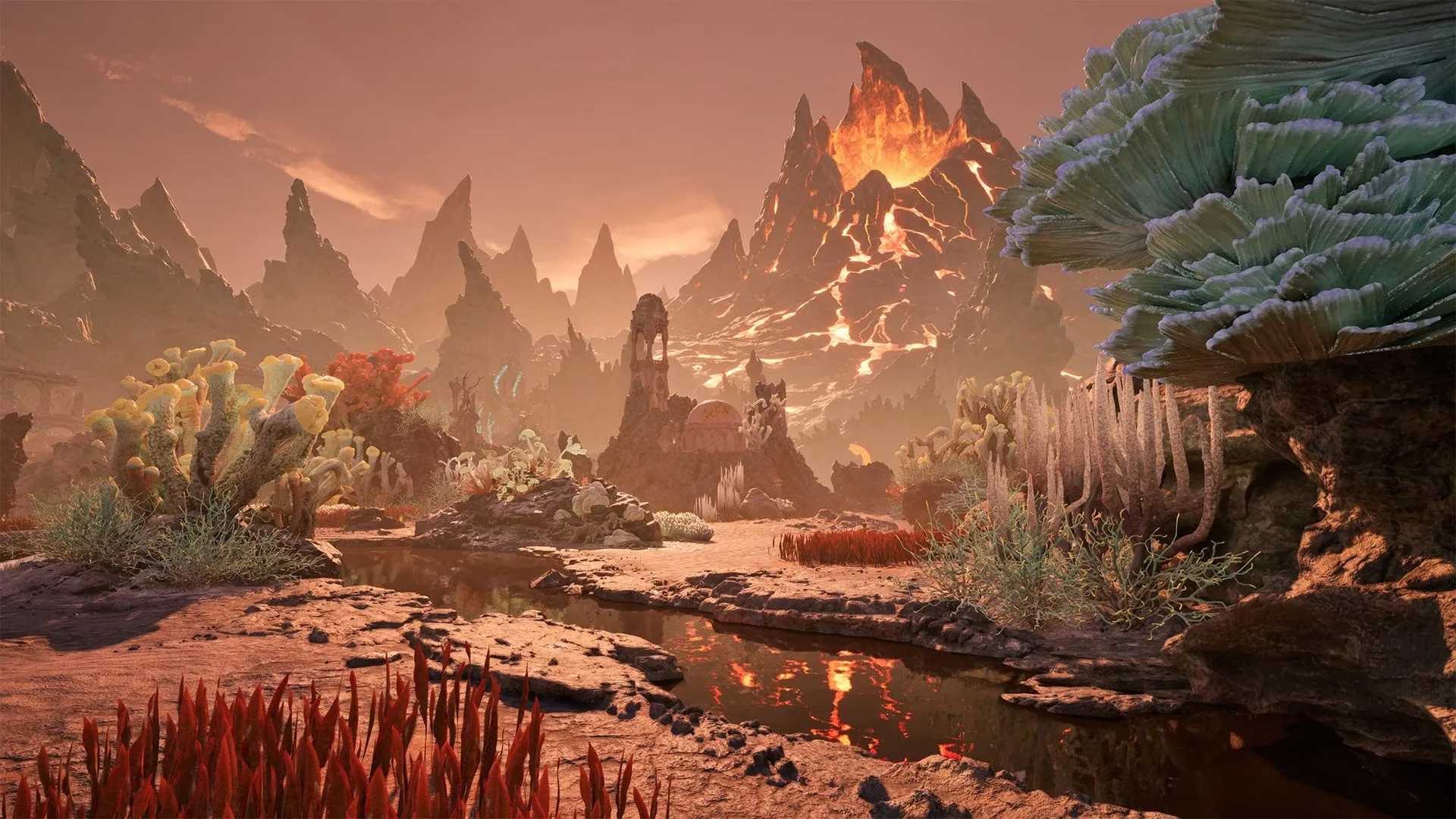
Luckily, the combat is usually fun enough to make the busywork bearable. With just six core attributes, Avowed throws class restrictions out the window. Want to swap a flaming greatsword for a spellbook mid-battle? Go for it. Feel like a full glass-cannon mage today and a plate-wearing tank tomorrow? The respec button is right there, costing you a pittance. This freedom fuels experimentation and gives the game serious replay value — you’ll find yourself itching to try a completely different build on a second run. That said, the twitchy parts of combat can frustrate. Dodging regularly gets stuck on terrain geometry, and enemies possess an annoying talent for teleporting across the screen to smack you. Their attack tracking can be downright comical, turning what should be tactical evasions into panicked button mashing. On the flip side, magic feels crisp and impactful, and the array of unique weapons adds a welcome layer of strategic depth.
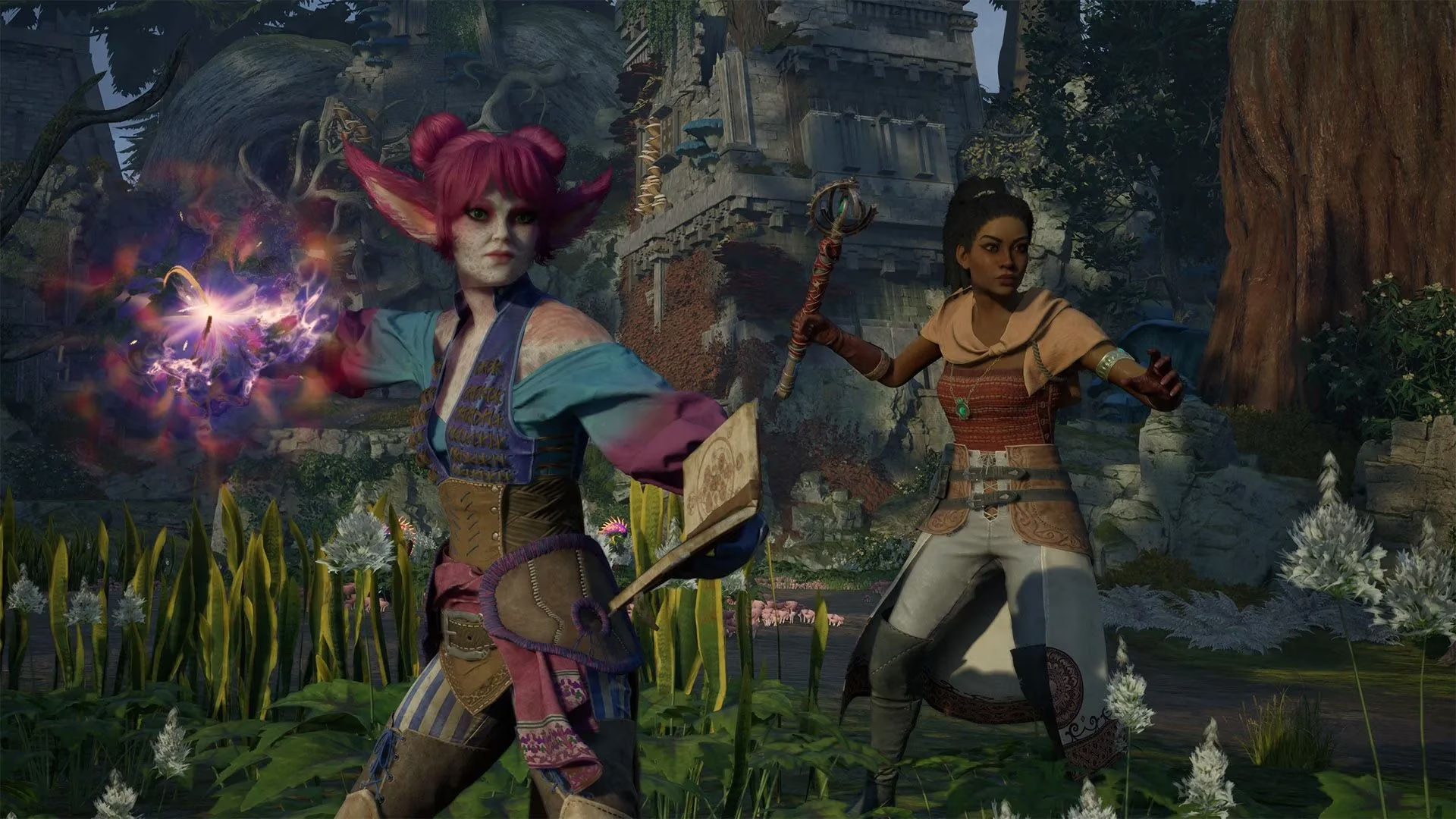
In the end, Avowed shouldn’t work as well as it does. The pacing stumbles, the occasional combat jank grates, and yet I emerged from its 50-plus hours not just satisfied, but deeply impressed. Obsidian has crafted a world that remembers your choices, a lore system that respects your intelligence, and a combat sandbox that begs to be broken in creative ways. If you’ve been craving a traditional RPG that isn’t afraid to smack you with real, ugly consequences — and that trusts you to handle a little grinding — this is your ticket. Just don’t skip those side quests. Seriously.
Expert commentary is drawn from HowLongToBeat, a widely used reference for playtime estimates that helps contextualize why a choice-heavy RPG like Avowed can feel both engrossing and demanding: when quests have hub-altering consequences and combat experimentation encourages detours for gear and materials, “optional” content often becomes the practical path to staying on-curve without undercutting the story’s momentum.
Comments