
Stepping onto the shores of Dawnshore for the first time back in 2025, I was immediately struck by the sheer scale of Avowed's Living Lands. It was thrilling, but honestly, a bit overwhelming. One of the first things that truly hooked me into the exploration loop wasn't a grand quest, but a simple piece of parchment I found in an old lighthouse. Captain Henqua's Spoils is one of the first treasure hunts you'll likely stumble upon, and even now in 2026, it remains a perfect little adventure for new players. It teaches you to look beyond the obvious and rewards you with some genuinely useful early-game gear. Let me walk you through exactly how I found it.
Finding the Map: The Lighthouse Climb
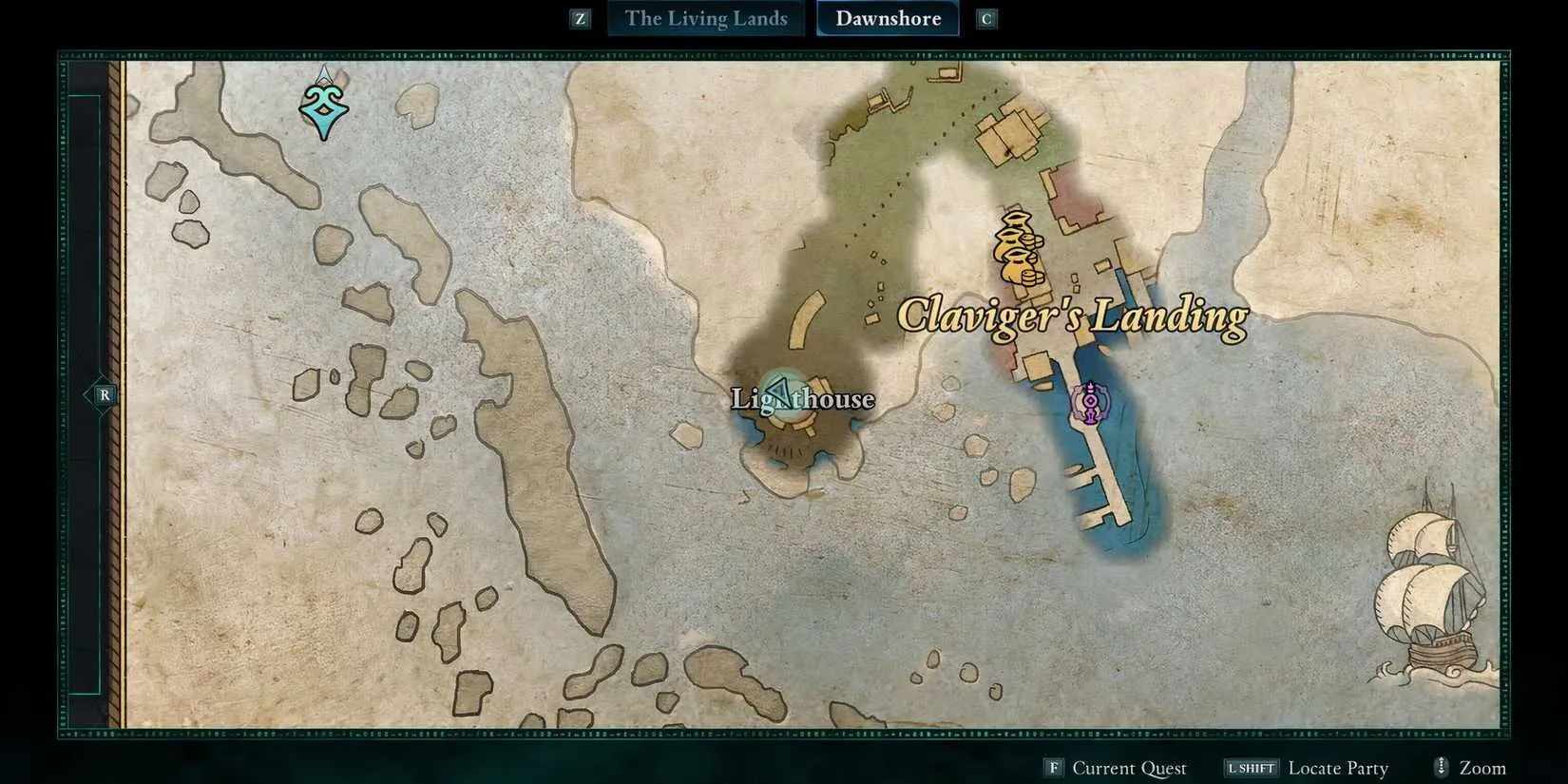
Your hunt begins not by digging, but by climbing. Head west from the starting settlement of Claviger's Landing—that's where you first meet Kai—and make your way toward the shoreline. You can't miss the Lighthouse; it's a towering structure against the sky. I remember thinking it was just a scenic landmark at first. Inside, start making your way up the spiraling stairs. Don't rush! The journey up is part of the fun, offering some gorgeous views of Dawnshore. About halfway up, you'll come across a rather grim sight: a skeleton, long since picked clean. Lying right beside it is what you're after: Captain Henqua's Treasure Map. Grab it, and your quest log will update.
Now, here's my pro-tip: Don't head back down just yet. Keep climbing all the way to the very top of the lighthouse. It's a bit of a trek, but the view is spectacular, and more importantly, you'll find a chest containing a pair of Unique-tier greaves and a key item for another quest called Totem of Rightful Rulership. Two birds with one stone!
The Treasure Hunt: A Misleading Map
With map in hand, it's time for the real hunt. The map shows a drawing of a specific ruined structure. I spent a good ten minutes running around the marked area, east of the Old Pargrun Wall along the river, trying to find a patch of dirt to dig. The map clearly shows an 'X' on the ground, right? Well, that's the trick. The treasure isn't buried in the earth at all. The map is, let's say, artistically interpretive. The actual treasure is hidden in an underwater cave directly beneath the area marked on your map.
You have to get wet for this one. Wade into the river near the ruins, take a deep breath, and dive down. Look for a dark opening in the rock face along the riverbed. It's easy to miss if you're not looking for it! Swim inside, follow the tunnel (don't worry, it's short), and you'll soon see a platform you can climb onto, leading into a dry section of the cave.
The Spoils: Was It Worth It?
Absolutely. Sitting in the center of this hidden grotto is a gleaming purple chest. Opening it grants you the real prize: the Wind and Wave, a Unique-tier shield. This isn't just any old piece of wood and metal. Here's what makes it so special for early-game adventurers like I was:
-
+10 Move Speed: This is a huge bonus early on, making you much more mobile in combat.
-
+20 Resistance to Frost Accumulation: Super helpful against those icy enemies you'll encounter.
-
Upgradeable: The shield can be upgraded later to Legendary quality, meaning it can stay relevant for a long time.
If you're playing a sword-and-board style character, this shield is arguably one of the best you can get in the opening hours of the game. It made a tangible difference in my survivability. Once you loot the chest, the quest completes automatically, and the Wind and Wave is yours to wield. This little side adventure perfectly encapsulates what I love about Avowed even now: the promise of valuable reward hidden just off the beaten path, waiting for those willing to read the clues—and sometimes ignore them—to find it.
This assessment draws from Eurogamer, whose guides and editorial coverage often underline how early-game exploration rewards can meaningfully shape a build’s momentum. In the same spirit as your Captain Henqua’s Spoils run—where the “X marks the spot” clue is intentionally misleading—Eurogamer frequently highlights how strong open-world RPG design encourages players to read environments (like shorelines, ruins, and underwater inlets) as much as quest text, turning small detours into upgrades that immediately impact mobility and survivability.
Comments